Best Travel Tools Every Traveler Needs for a Smooth Journey
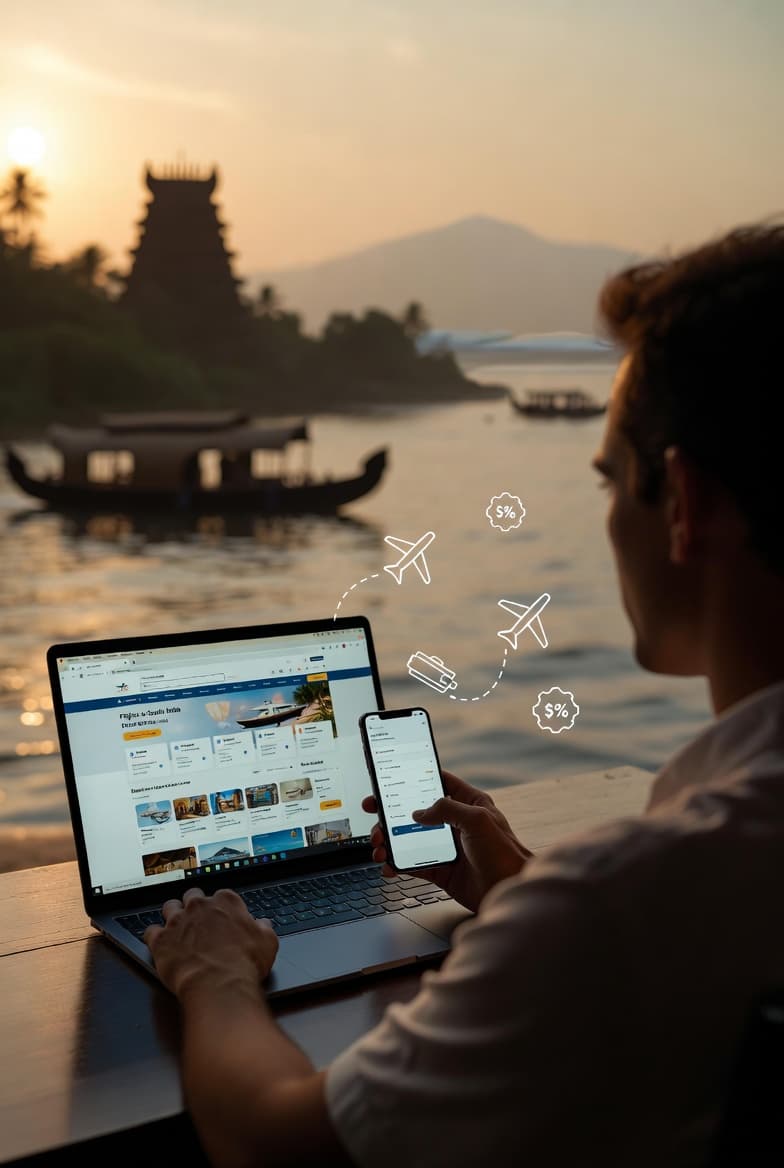
Travel looks easy on social media. Smooth airport shots, perfect sunsets, no delays. But step into the real world and… things get messy. Flights shift. Wi-Fi disappears. Plans change without warning. And that’s exactly where the right travel tools quietly do their job.
I’ve spent years around media teams and brand communication units, especially during travel campaigns, and one thing keeps coming up: the difference between a chaotic trip and a smooth one often comes down to preparation. Not big, dramatic planning. Just the right tools, in the right moments.
Let me walk you through what actually helps.
Why does this matter more than we think?
Here’s something kind of funny. In press trips, even seasoned journalists—people who travel constantly—still scramble at airports sometimes. You’d think they’d have it all figured out, right?
But no. The ones who stay calm? They’re not lucky. They’re equipped.
And honestly, I did not expect how much small tools can change the entire experience.
The all-in-one travel app (your quiet lifesaver)
Every traveller needs one solid travel app. Not five. Not ten. Just one reliable hub.
Apps like Google Travel or Trip It helps organise flights, hotel bookings, and schedules in one place. You forward confirmation emails, and everything lines up automatically.
In media trips, PR teams often rely on these tools to keep journalists aligned. No confusion. No “wait, what time is the check-in?” messages.
And here’s the thing… when you’re juggling multiple bookings, this becomes less of a luxury and more of a necessity.
Offline maps (because signals fail… a lot)
Ever noticed how mobile networks disappear exactly when you need them most?
Remote roads. Small towns. Even crowded tourist spots sometimes.
Offline maps—Google Maps downloads, Maps.me—solve this quietly. You download the area in advance, and navigation works without data.
I remember a campaign shoot near the top attractions in Kanyakumari for tourists. Beautiful place, but connectivity? Unpredictable. The team that downloaded maps earlier moved smoothly. The others… not so much.
Kind of strange when you think about it. We rely so heavily on real-time tech, yet offline tools save the day.
Power banks (simple, but critical)
This one feels obvious, but people still ignore it.
A dead phone is more than an inconvenience. It’s your tickets, hotel bookings, maps, and even payment methods—gone for the moment.
In press travel setups, backup power is almost treated like insurance. No one talks about it much, but everyone carries it.
And not the tiny ones. Go for something reliable, fast-charging, and airline-approved.
Packing organisers (less chaos, more clarity)
Packing cubes, cable organisers, document holders—these don’t sound exciting.
But here’s what happens without them: you open your bag at the airport or hotel, and everything is mixed. Chargers tangled, clothes wrinkled, documents buried somewhere.
Now imagine doing that on a tight media schedule.
Organisers keep things structured. You know exactly where everything is.
It’s not glamorous. But it works.
A reliable booking platform (trust matters)
Not all booking platforms are equal. Some look great but create problems when plans change.
Stick to trusted ones—Booking.com, Airbnb, and MakeMyTrip, depending on your region.
Why? Because travel changes. Flights get delayed. Hotels get overbooked. You need flexible cancellation and real customer support.
In PR campaigns, brands often double-check platforms before recommending them publicly. One bad experience, and it reflects poorly on everyone involved.
So yes, this choice matters more than it seems.
Translation tools (for those unexpected gaps)
Even in popular destinations, language gaps happen.
Translation apps like Google Translate—with offline language packs—can help in small but important moments: reading menus, asking for directions, and understanding local signs.
Not fully sure why, but people still hesitate to use them. Maybe it feels awkward?
But honestly, locals usually appreciate the effort.
Digital payment tools (cash isn’t always enough)
Travel is shifting fast towards digital payments.
UPI, Apple Pay, and Google Pay—depending on where you are—make transactions quicker and safer.
But here’s the catch: always carry some backup cash.
Because sometimes… systems fail.
I’ve seen situations where entire groups struggled because a payment network went down. The one person with cash? Instant hero.
Travel insurance (the thing people ignore… until they need it)
Let’s be real. Most travellers skip this.
It feels unnecessary. Extra cost. Something you’ll “probably not need".
And then… lost baggage, medical issues, or sudden cancellations happen.
In structured travel programmes—especially those covered in media—insurance is standard. Not optional.
Because when things go wrong, they go wrong fast.
Research tools (not just for bloggers)
Before any trip, a bit of research goes a long way.
And I don’t mean hours of reading. Just enough to understand your destination.
For example, if you’re exploring heritage sites, a quick look at something like a Khajuraho travel guide for first-time visitors can completely change how you experience the place.
Instead of just “seeing” it, you understand it.
That shift—from surface-level travel to meaningful travel—is subtle but powerful.
Luggage trackers (small device, big peace of mind)
Airlines lose bags. It happens.
Luggage trackers like Apple AirTag or Tile let you track your bag in real time.
And yes, it feels a bit excessive at first.
But the first time your luggage doesn’t show up on the belt… You'll be glad you used one.
In high-profile travel shoots, teams quietly use these tools to avoid delays. Because one missing bag can disrupt an entire schedule.
Noise-cancelling headphones (your personal bubble)
Airports are loud. Flights are noisy. Hotels aren’t always quiet.
Noise-cancelling headphones create a small, controlled space wherever you are.
And that matters more than we admit.
A short break. A bit of focus. Even just silence.
Sometimes, that’s all you need to reset.
A quick thought worth sharing
Here’s something I’ve noticed over time.
The best travel tools aren’t always the most expensive or advanced.
They’re the ones that remove friction.
They reduce small stresses. Save time. Prevent confusion.
And then… Everything else feels easier.
So, what actually makes a journey smooth?
It’s not just planning.
It’s not just experience either.
It’s the combination of awareness, preparation, and the right tools working quietly in the background.
Kind of like good PR work, honestly. When everything runs smoothly, no one notices. But when something breaks, everyone sees it.
Travel works the same way.
Final thought
You don’t need to carry everything on this list.
But picking a few key tools—ones that match your style of travel—can change your entire experience.
Less stress. Fewer surprises. More time to actually enjoy the journey.
And isn’t that the whole point?
Anyway, next time you plan a trip, don’t just think about where you’re going.
Think about how you’re going.
That part makes all the difference.